

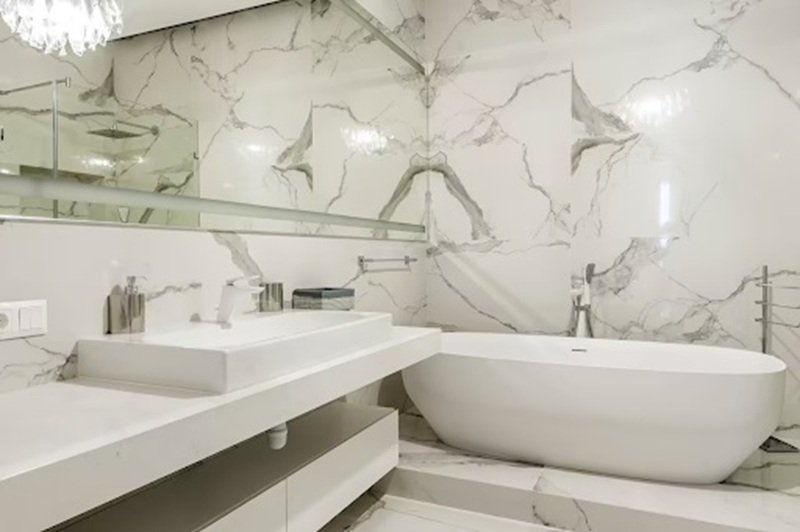
Modern bathrooms are increasingly designed to maximise functionality within limited space. In such layouts, fixtures that optimise corners play an important role in improving usability without affecting movement. A corner washbasin is specifically designed to fit into angled spaces, making it a practical choice for compact homes and smaller wash areas. It helps reduce clutter, improves accessibility and supports efficient space planning. With evolving bathroom aesthetics, these basins now come in multiple styles that balance practicality and design appeal, making them suitable for both residential and guest bathrooms.
Why Corner Wash Basins Suit Modern Bathrooms
A corner washbasin is ideal for bathrooms where every inch of space matters. Utilising unused corner areas ensures that central floor space remains open for movement and other fittings. This makes bathrooms feel less congested and more structured.
Such designs are particularly useful in urban homes and apartments where bathroom layouts are often compact. They also support better zoning within the bathroom, separating washing areas from bathing or storage zones. In addition, their compact footprint allows flexible placement in both primary and secondary bathrooms.
Types of Corner Wash Basins
Corner basins are available in several design variations, each catering to different functional needs and aesthetic preferences.
| Type | Description |
| Wall-mounted corner basin | Fixed directly to the wall, it keeps the floor area free |
| Pedestal corner basin | Includes a supporting pedestal for added stability |
| Compact shelf basin | Designed with a small ledge for basic utility use |
| Integrated vanity corner basin | Combines the basin with the storage unit |
Each corner washbasin type serves a distinct purpose based on layout and storage needs. Wall-mounted options work best in compact bathrooms, while pedestal designs offer added stability and a more traditional appeal. Premium brands like Simpolo Tiles & Bathware incorporate well-engineered ceramic designs and modern finishes across such categories, ensuring durability and suitability for varied bathroom layouts.
Materials and Build Quality Considerations
Material selection plays a crucial role in determining the durability and maintenance of a corner washbasin. Ceramic remains the most widely used material due to its resistance to stains, moisture and daily wear. It also offers a smooth surface that is easy to clean.
Other materials include vitreous china and engineered composites, which provide enhanced strength and modern finishes. Surface glazing quality is also important as it prevents water absorption and reduces long-term discolouration.
A well-finished basin helps maintain hygiene while also contributing to the overall longevity of the installation. Smooth edges and seamless joints further enhance usability and cleaning efficiency.
Size, Shape and Ergonomic Planning
Selecting the right size is essential for ensuring comfort and usability in compact bathrooms. A corner washbasin should be proportionate to the available space while allowing comfortable hand movement and splash control.
Planning Considerations
- Basin depth should prevent water splashing
- Compact width is ideal for narrow bathrooms
- Rounded edges improve safety in tight areas
- Adequate height ensures ergonomic comfort
Shape also influences usability. Triangular or semi-circular designs are commonly used as they fit naturally into corner spaces without wasting the surrounding area. Proper ergonomic planning ensures that the basin remains functional without disrupting bathroom flow.
Installation and Plumbing Essentials
Installation of a corner washbasin requires precise alignment with wall angles and plumbing points. Structural support is critical, especially for wall-mounted variants, to ensure stability over time.
Plumbing lines should ideally be concealed within the wall to maintain a clean finish. Drainage planning must also be accurate to prevent water stagnation or leakage. In compact bathrooms, efficient pipe routing becomes even more important to maintain visual clarity.
Professional installation is recommended to ensure proper sealing, alignment and long-term durability of the fixture. Incorrect installation can affect both usability and maintenance.
Choosing the Right Wash Basin Design for Your Space
Selecting the right wash basin design depends on bathroom size, usage frequency and layout constraints. For compact spaces, corner-oriented designs are often preferred for their efficient use of unused space.
- Space availability: Measure corner space accurately to ensure proper fit and ease of movement.
- Usage type: Decide based on daily usage or occasional guest requirements.
- Storage needs: Check if additional shelving or built-in storage is required.
- Aesthetic preference: Match the wash basin design with a minimalist, modern or traditional bathroom style.
A well-chosen wash basin design ensures both practicality and visual harmony within the bathroom. Compact solutions work best when paired with light wall finishes and minimal accessories to enhance openness.
Conclusion
Corner wash basins are a practical solution for optimising compact bathroom spaces without compromising on functionality or design. By making effective use of unused corners, they improve layout efficiency and support better movement within the room. Careful consideration of material, size, and installation ensures long-term durability and ease of maintenance. When aligned with the right wash basin design and overall bathroom planning, they contribute to a clean, organised and visually balanced space suited for modern living requirements.
Must Read: How to Choose the Right Building Materials for a Durable Structure
