

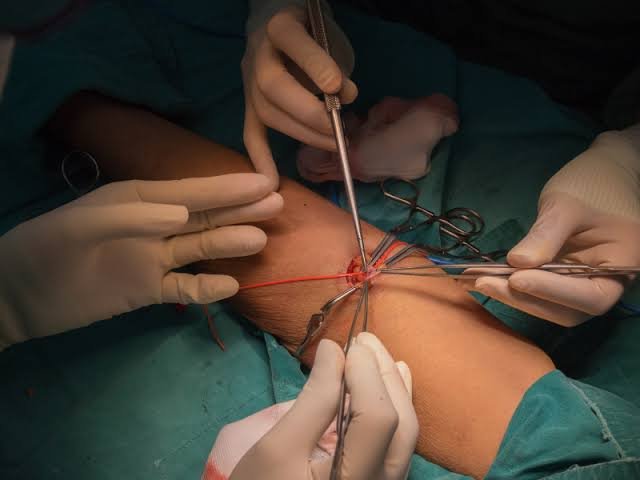
Choosing the right surgeon for AV fistula surgery is important because the quality and location of the vascular connection can affect how well the access works for dialysis. Patients looking for AV Fistula Surgery In Vadodara should consider the surgeon’s vascular experience, hospital facilities, pre-surgery evaluation, follow-up care, and approach to dialysis access planning.
An arteriovenous fistula, commonly called an AV fistula, connects an artery to a vein to create reliable vascular access for hemodialysis. Because this access may need to be used repeatedly, careful surgical planning is essential.
What Is AV Fistula Surgery?
AV fistula surgery is a procedure that creates a direct connection between an artery and a vein, usually in the arm. This connection allows the vein to gradually become stronger and larger so it can handle the blood flow required during hemodialysis.
An AV fistula is often preferred for long-term dialysis access when a patient’s blood vessels are suitable. However, not every patient has the same vascular anatomy, so the type and location of fistula need to be individualized.
Why Does Choosing the Right Surgeon Matter?
AV fistula creation may appear straightforward, but successful dialysis access requires more than simply connecting an artery and vein.
The surgeon needs to evaluate the size and condition of the blood vessels, previous procedures, circulation in the limb, and the patient’s expected dialysis needs.
Poor vessel selection or an unsuitable fistula location can contribute to problems such as inadequate maturation, thrombosis, stenosis, or difficulty using the access for dialysis.
Expert Tip: “Do not choose an AV fistula surgeon based only on the procedure price or proximity. Ask how the surgeon evaluates your blood vessels before surgery and what follow-up is provided if the fistula does not mature as expected.”
1. Look for Relevant Vascular Surgery Experience
When searching for AV Fistula Surgery In Vadodara, check whether the surgeon regularly manages vascular access for dialysis patients.
Experience with AV fistula creation is particularly relevant because the surgeon needs to understand different fistula configurations and how to select an appropriate vessel based on individual anatomy.
You can ask how frequently the surgeon performs dialysis access procedures and whether they also manage complications when they occur.
2. Check the Surgeon’s Qualifications
Review the surgeon’s medical qualifications and specialty training.
A vascular surgeon or another appropriately trained specialist with experience in dialysis vascular access can evaluate whether an AV fistula is appropriate and determine the most suitable approach.
Do not hesitate to ask about professional training, experience with vascular procedures, and areas of clinical focus.
3. Ask How Your Blood Vessels Will Be Evaluated
One of the most important questions to ask before surgery is how the surgeon will assess your blood vessels.
A clinical examination may be combined with vascular imaging, such as duplex ultrasound, when appropriate.
The evaluation can help identify:
- Suitable veins for fistula creation
- Arterial blood flow
- Vessel diameter and quality
- Previous vascular access sites
- Potential areas for future access
- Circulation problems that may affect the procedure
A detailed assessment can help the surgeon plan the procedure rather than relying on a one-size-fits-all approach.
4. Understand Which Type of Fistula Is Being Recommended
There are different ways to create an AV fistula.
A radiocephalic fistula may be created near the wrist, while a brachiocephalic or brachiobasilic fistula may be considered higher in the arm depending on the patient’s blood vessels.
The surgeon should explain why a particular location is being recommended for you.
It is also useful to ask whether preserving other veins for future dialysis access has been considered.
5. Ask About Fistula Maturation
An AV fistula usually needs time to mature before it can be reliably used for dialysis.
During maturation, the vein undergoes changes that make it more suitable for repeated needle cannulation and dialysis blood flow.
Ask your surgeon:
How long might my fistula take to mature?
How will you determine whether it is ready for dialysis?
What happens if it does not mature adequately?
These questions can give you a clearer understanding of what to expect after surgery.
6. Consider the Hospital and Surgical Facilities
The surgeon is important, but the facility where the procedure is performed also matters.
Look for a hospital or vascular center with appropriate surgical facilities, trained staff, imaging capabilities, and access to follow-up care.
A well-coordinated team can be particularly valuable if additional vascular imaging or intervention becomes necessary.
7. Ask About Possible Risks
Every surgical procedure has potential risks.
With AV fistula surgery, possible complications include bleeding, infection, thrombosis, failure to mature, narrowing of the blood vessels, reduced blood flow to the hand, and other access-related problems.
The surgeon should explain the risks that are particularly relevant to your health and vascular anatomy.
A good consultation should give you an opportunity to ask questions rather than simply being presented with a procedure recommendation.
8. Find Out About Follow-Up Care
Choosing a surgeon should also involve understanding what happens after the operation.
Follow-up may be needed to assess healing and determine whether the fistula is developing appropriately.
The dialysis team may also monitor the access once it begins to mature and after it is used for dialysis.
Ask whether the same vascular team can evaluate problems such as poor maturation, narrowing, clotting, or other access complications.
9. Consider Experience With Complex Dialysis Access
Some patients have straightforward blood vessels suitable for a standard fistula. Others may have undergone previous access procedures, have smaller veins, or have other vascular problems.
If you have had previous fistula or graft surgery, ask whether the surgeon has experience managing complex or repeat dialysis access cases.
This can be especially relevant when preserving future access options is important.
10. Discuss Timing Before Dialysis Starts
AV fistula planning should ideally happen before hemodialysis is urgently required.
Because a fistula generally needs time to mature, creating it early can provide time for assessment and correction of maturation problems before regular dialysis begins.
If dialysis is expected in the near future, discuss the timing of access surgery with your nephrologist and vascular surgeon.
Questions to Ask Before Choosing a Surgeon
Before making your decision about AV Fistula Surgery In Vadodara, consider asking:
| Question | Why It Matters |
|---|---|
| How much experience do you have with AV fistula creation? | Helps understand relevant surgical experience |
| How will my veins and arteries be assessed? | Vessel quality influences fistula planning |
| Which fistula location do you recommend? | Different locations may suit different anatomy |
| How long could maturation take? | Helps with dialysis planning |
| What happens if the fistula does not mature? | Explains possible next steps |
| What complications should I watch for? | Helps with early recognition of problems |
| How will the fistula be monitored after surgery? | Follow-up supports access management |
| Are future access options being preserved? | Important for long-term dialysis planning |
AV Fistula Surgery: What Patients Should Expect
The procedure is generally performed under local or regional anesthesia, although the exact anesthesia plan varies.
The surgeon makes an incision and connects a suitable artery and vein. Once the connection is created, blood begins flowing through the vein.
The surgical site is then closed, and the access is monitored.
You may be able to feel a vibration, known as a thrill, over the fistula. This is produced by blood flowing through the new connection. Your healthcare team can teach you how to check the access and identify changes that require attention.
How to Protect Your New AV Fistula
After surgery, protecting the arm with the new fistula becomes an important part of dialysis access care.
Generally, patients are advised not to allow blood pressure measurements, blood draws, or intravenous lines in the fistula arm unless specifically instructed by their healthcare team.
Avoid unnecessary pressure or trauma to the access.
Your dialysis team can also teach you how to check for the normal thrill and what changes should prompt medical evaluation.
Warning Signs That Need Medical Attention
Contact your healthcare team if you notice changes such as:
- The usual thrill becomes weaker or disappears
- Increasing swelling in the arm
- Significant redness or warmth
- Drainage from the surgical site
- Fever
- Persistent or increasing pain
- Bleeding that does not stop with appropriate pressure
- Changes in the temperature, color, or sensation of the hand
Sudden loss of the fistula thrill can indicate a blood-flow problem and should be assessed promptly.
How Dr Sumit Kapadia Can Help
Dr Sumit Kapadia provides vascular and endovascular care, including evaluation and management of vascular conditions that may require specialized treatment.
For patients considering AV Fistula Surgery In Vadodara, a consultation can help determine whether an AV fistula is suitable, which blood vessels may be appropriate, and how the access should be planned based on individual vascular anatomy.
The goal of preoperative assessment is not simply to create an access but to plan an access that can support the patient’s dialysis needs while preserving future options whenever possible.
Quick-Scan: Choosing an AV Fistula Surgeon
| What to Check | Key Consideration |
|---|---|
| Vascular experience | Look for relevant experience with dialysis access |
| Vessel assessment | Ask whether vascular imaging is needed |
| Surgical planning | Understand why a particular fistula location is recommended |
| Maturation | Discuss expected maturation and monitoring |
| Hospital facilities | Consider surgical and imaging support |
| Complication management | Ask how access problems are handled |
| Follow-up | Confirm postoperative monitoring |
| Long-term planning | Consider preservation of future access sites |
Frequently Asked Questions
How do I choose a surgeon for AV fistula surgery?
Look for a suitably trained vascular surgeon with experience in dialysis access. Ask about vessel assessment, fistula planning, expected maturation, complication management, and follow-up. The surgeon should explain why a particular fistula location is appropriate for your vascular anatomy and dialysis requirements.
How long does an AV fistula take to mature?
An AV fistula generally needs time to mature before it can be used reliably for hemodialysis. The timeframe varies between patients depending on vessel quality, fistula location, and blood flow. Your surgeon and dialysis team can assess whether the access has matured adequately.
Is AV fistula surgery safe?
AV fistula creation is a commonly performed vascular procedure, but complications can occur. These may include bleeding, infection, clotting, narrowing, inadequate maturation, or circulation problems affecting the hand. Your individual risks depend on your health and blood vessel condition.
When should AV fistula surgery be done before dialysis?
Ideally, AV fistula planning should begin well before hemodialysis is expected to start because the fistula needs time to mature. Early evaluation gives the surgical team time to select an appropriate site and address maturation problems before regular dialysis is required.
