

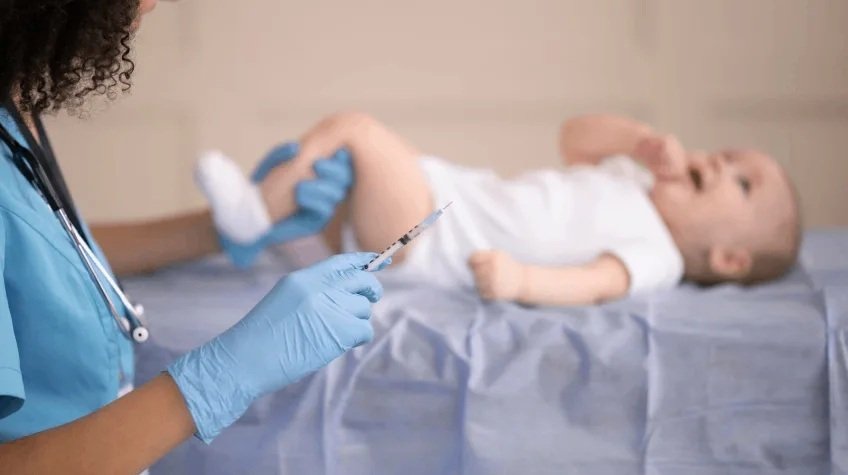
The first few days after birth are full of joy, adjustment, and important medical checks — one of the most important being the newborn screening test. This simple test can detect serious health conditions early, often before any symptoms appear, giving your baby the best possible start in life.
Here’s everything parents need to know about newborn screening — what it is, why it matters, and how it works.
What Is Newborn Screening?
Newborn screening is a set of tests performed shortly after birth to check for rare but serious health conditions — including metabolic, hormonal, and genetic disorders. Many of these conditions show no visible symptoms at birth but can cause serious health problems, including developmental delays, if left undetected and untreated.
The goal is simple: catch potential problems early, when treatment is most effective — sometimes even before symptoms begin.
Why Is Newborn Screening Important?
- Early Detection Saves Lives: Many conditions detected through screening are manageable if treatment starts early
- Prevents Irreversible Damage: Conditions like congenital hypothyroidism can cause developmental delays if untreated, but are easily managed if caught early
- No Visible Symptoms at Birth: Most screened conditions aren’t visible externally, making testing the only way to detect them in time
- Peace of Mind: Gives parents clarity and confidence about their baby’s health in the earliest days
What Conditions Does Newborn Screening Detect?
Newborn screening panels can vary by country, hospital, and lab, but commonly include checks for:
- Congenital Hypothyroidism – Affects growth and brain development if untreated
- Phenylketonuria (PKU) – A metabolic disorder that can cause intellectual disability if not managed through diet
- Congenital Adrenal Hyperplasia (CAH) – A hormonal disorder affecting growth and development
- G6PD Deficiency – A common enzyme deficiency that can cause severe jaundice or anemia
- Sickle Cell Disease – An inherited blood disorder
- Cystic Fibrosis – A genetic condition affecting the lungs and digestive system
- Spinal Muscular Atrophy (SMA) – A genetic condition affecting muscle strength and movement
- Hearing Loss – Checked through a separate hearing screening test
Extended panels, especially genetic/metabolic screening, can check for 50+ conditions depending on the testing package chosen.
How Is Newborn Screening Done?
Here’s a simple step-by-step breakdown of the process:
- Timing – Screening is usually done 24 to 72 hours after birth, once the baby has fed for a period, for accurate results.
- Heel Prick Test – A few drops of blood are collected from the baby’s heel and placed on a special filter card.
- Lab Analysis – The blood sample is analyzed for various metabolic, hormonal, and genetic markers.
- Hearing Screening – A separate, painless test checks the baby’s hearing response.
- Result Reporting – Results are usually available within a few days to two weeks, depending on the test panel.
- Follow-Up, If Needed – If any result appears abnormal, further confirmatory testing is arranged promptly.
Is Newborn Screening Painful for the Baby?
The heel prick test causes only brief, minimal discomfort, similar to a small pinprick, and babies typically settle quickly afterward. The hearing test is completely painless and is often done while the baby sleeps.
What Happens If a Result Is Abnormal?
An abnormal newborn screening result does not automatically mean your baby has the condition. Screening tests are designed to flag potential risk, not confirm a diagnosis. If a result is flagged:
- The doctor will recommend confirmatory diagnostic testing
- Early follow-up allows quick action if treatment is needed
- Many flagged results turn out to be false positives after confirmatory testing
The key benefit of screening is early awareness — giving families time to act quickly if a condition is confirmed.
Basic Newborn Screening vs Extended Genetic Screening
| Feature | Basic Screening | Extended Genetic Screening |
|---|---|---|
| Conditions Covered | Common metabolic/hormonal disorders | Wider range, including rare genetic conditions |
| Method | Heel prick blood test | Heel prick blood test + genetic analysis |
| Turnaround Time | Few days | Up to 2 weeks |
| Recommended For | All newborns | Babies with family history or specific risk factors |
Many parents today opt for extended screening panels for more comprehensive early insight into their baby’s health.
MedGenome’s Newborn Screening Services
MedGenome offers comprehensive newborn screening panels designed to detect a wide range of treatable conditions early. Here’s what makes it dependable:
- Screening for a broad range of metabolic, hormonal, and genetic conditions
- Advanced lab technology for accurate, timely results
- Clear, parent-friendly reports explained in simple terms
- Fast turnaround to support early intervention when needed
- Genetic counselling support to guide next steps, if required
MedGenome’s approach is centered on giving every baby the best possible start — through early detection and clear guidance for parents.
Frequently Asked Questions (FAQs)
Q1. When should newborn screening be done?
Ideally between 24 and 72 hours after birth, once the baby has had adequate feeding for accurate results.
Q2. Is newborn screening mandatory?
Requirements vary by country and region. Even where it’s not mandatory, doctors strongly recommend it due to its life-saving potential.
Q3. Does a normal result guarantee my baby has no health conditions?
Newborn screening covers a specific set of conditions. A normal result is reassuring for those conditions, but it doesn’t rule out every possible health issue.
Q4. What should I do if my baby’s screening result is abnormal?
Stay calm and follow up promptly with your doctor. An abnormal screening result usually leads to confirmatory testing, and many results turn out to be false positives.
Q5. Is the heel prick test safe?
Yes, it’s a routine, minimally invasive procedure performed on millions of newborns safely every year.
Q6. Can newborn screening detect all genetic disorders?
No single test can detect everything. Screening panels cover specific, well-studied conditions where early detection significantly improves outcomes.
Final Thoughts
Newborn screening is one of the simplest yet most powerful tools in early childhood healthcare — offering the chance to detect serious conditions before symptoms even appear. It’s a small test with the potential to make a lifelong difference.
If you’re expecting or have recently welcomed a baby, talk to your doctor about newborn screening options. With MedGenome’s reliable testing and expert guidance, you can take a confident, informed step toward your baby’s healthy future.
