

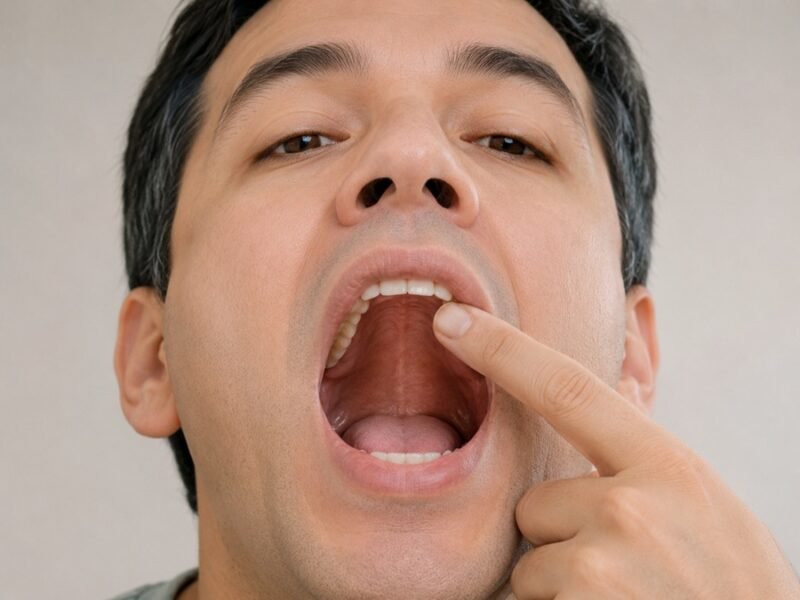
Pain in the roof of your mouth can be surprisingly distracting. The palate is used constantly for speaking, eating and drinking, so even mild irritation can feel much worse than it is.
If you have been searching for why does the roof of my mouth hurt, you are not alone. This is a common concern and most causes are temporary and manageable. The palate is made of delicate tissue that can be affected by heat, friction, dryness, allergies, infections and dental issues.
This guide explains the most common reasons the roof of your mouth hurts, what symptoms to watch for, safe self-care you can try at home, and when it is wise to get checked by a qualified healthcare professional or dentist.
Understanding the Palate
The roof of your mouth has two parts. The hard palate is the bony front portion you can feel with your tongue. The soft palate is the softer, muscular area further back toward the throat.
Both areas are covered with a thin mucous membrane that protects underlying tissues. Because this lining is sensitive and exposed to everything you eat and breathe, it can become irritated easily.
Pain can feel like burning, tenderness, rawness, a scratchy sensation, or a localized sore spot. Sometimes people also notice swelling, a small bump, or that the roof of mouth hurts when eating, especially with salty, spicy or acidic foods.
Common Causes of Roof of Mouth Pain
1. Burns from Hot Food and Drinks
This is often called pizza palate. Hot cheese, coffee, tea, soup or a slice fresh from the oven can scald the delicate tissue on the roof of your mouth.
What it feels like: Immediate stinging followed by tenderness for a day or two. The skin may look red and feel rough or peeled.
Why it happens: Heat damages the surface cells. As they shed and heal, the area feels sensitive.
2. Mouth Sores and Ulcers
Canker sores can appear on the soft palate, as can irritation from rubbing against a sharp tooth or dental appliance.
What it feels like: A small round or oval sore with a whitish center and red border. It stings, especially with citrus or salty foods.
Common triggers: Stress, minor injury from a chip or crunchy food, hormonal changes, and certain toothpastes containing sodium lauryl sulfate.
Cold sores caused by herpes simplex virus typically appear on the lips, but can occasionally affect the hard palate.
3. Dehydration and Dry Mouth
When you are not drinking enough water, or you breathe through your mouth at night, the palate can become dry and irritated.
What it feels like: Sticky feeling, general soreness, and increased sensitivity to spicy or salty foods. You may also notice bad breath in the morning.
Medications such as antihistamines, decongestants and some antidepressants can reduce saliva flow and contribute to this.
4. Allergies and Postnasal Drip
Seasonal allergies or reactions to food, dust or pet dander can inflame the nasal passages and throat. Constant postnasal drip can irritate the soft palate.
What it feels like: Itchy roof of mouth, scratchy throat, sneezing and congestion. The pain is usually mild and comes with other allergy symptoms.
5. Infections
Several infections can make the roof of mouth hurt.
Oral thrush: A yeast infection that causes creamy white patches on the tongue, inner cheeks and sometimes the palate. It can feel sore or like a burning sensation.
Viral infections: Common colds, flu and other viruses can cause general mouth soreness.
Bacterial infections: Strep throat can cause pain that radiates to the soft palate, often with fever and swollen lymph nodes.
6. Sinus Issues and Sinus Pressure
The maxillary sinuses sit just above the hard palate. When they are inflamed from a sinus infection or congestion, pressure can be felt in the upper teeth and roof of mouth.
What it feels like: Dull ache or pressure that worsens when bending forward. Often accompanied by facial pressure, nasal congestion and thick mucus.
This is why many people ask why is the roof of my mouth hurting during a cold or allergy flare.
7. Oral Injuries and Friction
Crunchy foods like chips, toast crusts or hard candy can scratch the palate. Ill-fitting dentures, retainers or braces can also rub and cause sore spots.
What it feels like: A localized tender area or small cut. It usually improves in a few days once the source of friction is removed.
8. Smoking and Vaping Irritation
Heat, chemicals and dryness from smoking, vaping or chewing tobacco can irritate the palate over time.
Smokers may develop a condition called nicotinic stomatitis, which appears as a whitish palate with small red dots. It is usually painless but can become sore if irritated further.
Long term tobacco use also increases risk for more serious oral changes, which is why persistent patches should be checked.
9. Dental Problems
Issues with upper teeth can refer pain to the palate. These include:
- Abscessed upper teeth
- Gum disease
- Recent dental work or injections
- Grinding or clenching that strains the palate muscles
If you have a lump in roof of mouth that hurts, it could be a benign bony growth called torus palatinus, a blocked salivary gland, or a dental-related swelling. A dentist can tell the difference quickly with an exam.
Symptoms to Pay Attention To
Most roof of mouth pain is mild and short lived. Watch for patterns:
- Pain that starts after hot food or a sharp snack
- Burning or dryness that improves with water
- Soreness that lines up with a cold, sinus congestion or allergy season
- A single sore spot that lasts more than 2 weeks
- White patches that wipe off leaving red areas
- Swelling, a persistent lump, or bleeding
- Fever, difficulty swallowing or breathing
Keeping a brief note of when the pain started, what makes it worse, and any recent foods, products or illnesses can help your clinician.
When to See a Doctor or Dentist
Seek professional evaluation if:
- Pain is severe, spreading, or not improving after 7 to 10 days
- You have a lump in roof of mouth that hurts, grows, or does not go away
- You see white or red patches that persist for more than 2 weeks
- You have fever, facial swelling, or trouble opening your mouth
- Eating or drinking becomes difficult
- You use tobacco and notice any persistent change in the palate
A dentist is often the best first stop for palate pain because they can assess teeth, gums, dentures and oral soft tissues in one visit. They will refer you to a physician if a sinus or systemic issue is suspected.
This article is for general education only. It is not a diagnosis and does not replace personal medical advice.
Safe Home Care and Self-Care Tips
For minor irritation, these general measures are usually safe:
Cool and soothe: Sip cool water, suck on ice chips, or eat soft cool foods like yogurt or applesauce for a day or two after a burn.
Stay hydrated: Aim for regular water intake through the day. A humidifier at night can help if mouth breathing is an issue.
Choose gentle foods: Avoid very hot, spicy, salty, acidic or crunchy foods until tenderness eases.
Salt water rinse: Dissolve 1/2 teaspoon of salt in a cup of warm water. Swish gently for 30 seconds and spit. Do this 1 to 2 times daily for a few days.
Oral hygiene: Brush gently with a soft-bristled toothbrush and a mild toothpaste. Floss carefully.
Avoid irritants: Pause alcohol-based mouthwashes, smoking and vaping while healing.
Do not attempt to pop, scrape or aggressively treat any bump or sore at home. If pain persists, get it checked rather than trying stronger home remedies.
Prevention Tips
Small habits can reduce repeat irritation:
- Let hot foods and drinks cool for a minute before the first bite or sip
- Chew slowly and be mindful of hard crusts, chips and bones
- Manage allergies with guidance from a clinician during peak seasons
- Drink water regularly and limit excessive caffeine and alcohol
- Replace worn toothbrushes and avoid overly abrasive whitening products
- Have dentures, retainers or night guards checked for fit annually
- Schedule routine dental checkups every 6 to 12 months
If you grind your teeth at night, a dentist can assess whether a night guard would help reduce strain on the palate and jaw.
Frequently Asked Questions
Why does my roof of mouth hurt when I eat?
The most common reason is a recent burn or small abrasion. Salty, acidic and spicy foods sting exposed tissue. If it happens every time you eat certain foods and there is no visible sore, consider dryness, allergies or mild reflux irritation. Persistent pain with eating deserves a dental check.
Why would the roof of my mouth hurt without an obvious injury?
Sinus pressure, dehydration, mouth breathing, allergies, or a developing canker sore can cause pain before you see anything. Viral illnesses and thrush can also start with soreness. Track accompanying symptoms like congestion, fever or white patches.
Is a lump in roof of mouth that hurts dangerous?
Not necessarily. Many lumps are from minor salivary gland blockages, irritation, or a torus palatinus which is a harmless bony growth. However, any lump that is painful, growing, bleeding or present for more than 2 weeks should be evaluated by a dentist to rule out infection or other concerns.
How long does a burned palate take to heal?
Mild burns usually feel much better in 2 to 3 days and fully heal within a week. Keep the area cool, stay hydrated and avoid irritating foods. If pain worsens or you see signs of infection, seek care.
Can stress cause roof of mouth pain?
Stress does not directly injure the palate, but it can contribute indirectly. People under stress may grind teeth, bite cheeks, develop canker sores, or neglect hydration and oral care. Managing stress, sleep and routine dental visits can help break the cycle.
Conclusion
If you have been wondering why does the roof of my mouth hurt, the answer is usually simple and temporary: a hot bite, a small sore, dryness, allergies or sinus pressure. Most of these issues settle with gentle care, hydration and time.
The key is to pay attention to duration and associated symptoms. Pain that is severe, lasts longer than 10 days, or comes with lumps, persistent patches, fever or difficulty eating deserves prompt professional evaluation.
A dentist or healthcare professional can identify the cause quickly and guide you toward appropriate relief. Responsible self-care helps in the short term, but expert input gives peace of mind and ensures nothing important is missed.
More Helpful Guides From Our Site
While you are focusing on health and daily comfort, many readers also enjoy improving their home environment. If you are considering upgrades, our affordable solar roofing options break down budget-friendly solar roof tiles and long term savings.
Planning any roof work? Learn the roofing scam warning signs and trusted roofing contractor tips to avoid roofing fraud before you sign a contract.
For organization at home, see our guides on compact storage systems and modular organization products like smart home storage ideas and space-saving storage setups.
If you are building a side project or wellness brand, explore our online entrepreneur resources and digital business growth platforms for startup branding strategies and tools for modern entrepreneurs.
Disclaimer: This content is for informational purposes only and does not provide medical diagnosis or treatment. Always consult a qualified dentist or healthcare professional for personal medical concerns. If you experience severe pain, swelling, fever, or difficulty breathing or swallowing, seek urgent care.
