

If you’re exploring distributorship options in the FMCG space, DS Group probably came up in your research already. It’s one of India’s older conglomerates, and its product range — spices, confectionery, pan masala, dairy, and mouth fresheners — gives distributors a reason to take the opportunity seriously. But before signing anything, it’s worth understanding exactly what you’re getting into: the benefits, the realistic margin picture, and what the investment side actually looks like.
This article walks through all of that in a straightforward way, without the vague sales-pitch language you’ll find on most distributor listing sites.
A Quick Look at DS Group’s Product Portfolio
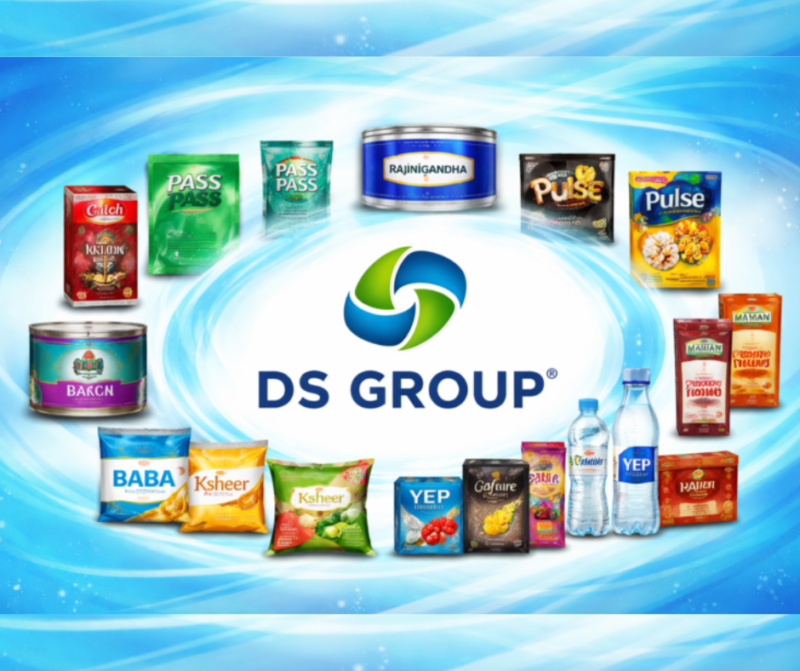
DS Group (Dharampal Satyapal Group) has been around since 1929, starting out as a small perfumery business in Delhi before expanding into tobacco, and eventually into packaged foods and consumer goods. Today, its non-tobacco portfolio includes well-known names like Catch (spices and salts), Rajnigandha (pan masala and Rajnigandha Pearls), Pass Pass (mouth fresheners), Pulse Candy, LuvIt, and Ksheer dairy products.
The company runs a fairly large manufacturing and distribution setup — 21 manufacturing units and 12 agri sites, along with 24 depots spread across states like Delhi, Uttar Pradesh, Himachal Pradesh, Assam, and Tripura. That kind of infrastructure matters for distributors because it usually means more reliable supply and fewer stock-out headaches.
Why Distributors Consider DS Group Products
There are a few practical reasons this opportunity keeps coming up in distributor circles.
Established Brand Recognition
Products like Catch Masala and Rajnigandha aren’t unknown names you need to introduce to retailers. They already have shelf presence in most parts of India, which typically means faster retailer buy-in and less time spent convincing shopkeepers to stock a new brand.
A Wide Category Spread
Instead of betting on one product line, DS Group distributors usually get access to multiple categories — spices, confectionery, mouth fresheners, and beverages. This spread helps smooth out demand across the year, since seasonal dips in one category (say, beverages in winter) can be balanced by steady movement in another.
Active Expansion Plans
DS Group has publicly stated it’s targeting close to ₹20,000 crore in turnover by 2029, with a large chunk of new investment going specifically into sales, marketing, and distribution rather than manufacturing. For a distributor, this generally signals the company is actively investing in market push, not just relying on existing brand pull.
Company Support Structure
Distributors typically get support in the form of area sales officers, promotional material, and structured order cycles, which is fairly standard for large FMCG players but still worth factoring in when comparing this opportunity against smaller, less organized suppliers.
Understanding the Margin Structure
Here’s the part most people actually want to know, and also the part where you need to be careful about what you read online.
DS Group does not publicly publish a fixed margin percentage for its distributors, and this is normal — most large FMCG companies keep exact margin structures confidential and share them directly during the distributorship discussion, since margins usually differ by:
- Product category — spices, pan masala, confectionery, and dairy typically carry different margin slabs.
- Volume commitment — higher order volumes can sometimes unlock better margins or incentives.
- Region and market type — urban versus rural distribution costs affect what’s offered.
- Distributor level — city-level, district-level, and super-stockist arrangements usually come with different margin structures.
As a general reference point, FMCG distributor margins across the industry commonly fall somewhere between 3% and 10% at the distributor level, depending on the category and turnover volume, with retailer margins stacked on top of that. This is an industry-wide pattern, not a DS Group-specific figure, so treat it as a rough benchmark rather than a promise.
The reliable way to get an exact number is to contact DS Group’s distribution team directly or speak with their regional sales office, since margin sheets are usually shared only after an initial inquiry and area evaluation.
Investment Required for DS Group Distributorship
Investment requirements also vary depending on the product category and the size of the territory you’re applying for. Based on publicly listed distributor requirements, figures generally range from around ₹1–2 lakh for smaller categories like dairy products, up to ₹20–25 lakh for broader, multi-category distributorships that require a larger godown and vehicle setup.
These figures typically cover:
- Initial stock purchase
- Godown or warehouse rent/setup
- Security deposit paid to the company
- Delivery vehicle (owned or arranged)
- Basic staff, such as at least one helper for loading and delivery
Since these numbers come from third-party distributor listing platforms rather than an official DS Group rate card, it’s worth confirming the exact figure for your specific territory and category before making any financial commitment.
How to Apply for a DS Group Distributorship
The general process looks like this:
- Check current openings — DS Group and its brand-specific sites occasionally list open territories, or you can reach out through their official contact channels.
- Submit an inquiry — include your location, godown availability, and the category you’re interested in (spices, confectionery, dairy, etc.).
- Meet basic infrastructure requirements — this usually means adequate storage space, a delivery vehicle, and sometimes prior distribution experience.
- Area evaluation — the company typically assesses market potential in your proposed territory before confirming.
- Agreement and security deposit — once approved, you’ll sign a distributor agreement and pay the required security amount.
Things Worth Checking Before You Sign Up
- Ask for the margin structure and payment/credit terms in writing before committing capital.
- Clarify whether the distributorship is exclusive for your territory or shared with other distributors.
- Understand the minimum order quantity and how often restocking is expected.
- Check return policy for unsold or near-expiry stock, especially for confectionery and dairy items.
- Confirm what marketing or promotional support, if any, is included.
FAQs
1. Does DS Group publish an official distributor margin percentage?
No, DS Group doesn’t publicly list a fixed margin figure. It varies by product category, order volume, and territory, and is usually shared directly during the application process.
2. How much investment does a DS Group distributorship typically need?
It depends on the category and territory size, but publicly listed estimates generally range from around ₹1 lakh for smaller categories to ₹20–25 lakh for larger, multi-category setups.
3. Which DS Group products are most commonly distributed?
Catch spices, Rajnigandha pan masala, Pass Pass mouth fresheners, and Pulse Candy are among the most widely distributed DS Group products.
4. Is prior distribution experience required?
It’s not always mandatory, but having relevant experience or existing retail relationships can improve your chances during the evaluation process.
5. Can one distributor handle multiple DS Group product categories?
Yes, in many cases distributors are allowed to carry products across categories, though this usually depends on godown capacity and the specific agreement offered for your territory.
Final Thoughts
DS Group products can be a solid distributorship option given the brand recognition and the company’s ongoing push into sales and distribution. That said, margins and investment requirements aren’t one-size-fits-all — they depend heavily on category, region, and volume. The smartest move before committing is to get the exact figures in writing from DS Group’s regional office rather than relying on estimates from listing websites, including this one.
