

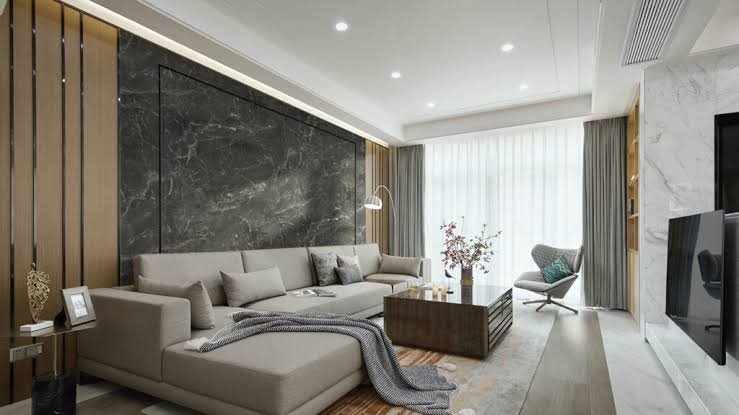
Flat, plain surfaces are slowly losing their appeal in modern interiors — and fluted laminate is one of the biggest reasons why. With its raised vertical grooves and sculpted, three-dimensional look, fluted laminate is now a go-to choice for statement walls, wardrobes, and furniture. This guide covers everything you need to know before choosing it for your home or office: what it is, where it works best, size and thickness options, and what affects its price.
What Is Fluted Laminate?
Fluted laminate is a textured decorative surface material with evenly spaced vertical (or sometimes horizontal) grooves that give a flat surface visual depth and a carved, architectural appearance. Unlike a standard flat laminate sheet, the ridged pattern catches light differently across its surface, creating subtle shadow lines that add movement and richness to any wall, panel, or piece of furniture.
It’s essentially built using the same high-pressure laminate (HPL) process as regular laminate — layers of resin-treated paper compressed under heat — but the surface is shaped or embossed to create the fluted (grooved) pattern before it’s finished.
Fluted Laminate vs Regular Laminate: What’s the Difference?
| Feature | Fluted Laminate | Regular (Flat) Laminate |
|---|---|---|
| Surface | Raised vertical grooves, 3D texture | Smooth and uniform |
| Visual effect | Depth, shadow play, architectural look | Clean, flat finish |
| Best for | Feature walls, wardrobes, doors, furniture accents | General cabinets, everyday surfaces |
| Manufacturing | Needs precise molding to keep grooves consistent | Simpler, flat-press manufacturing |
| Price | Slightly higher due to texture complexity | Generally more budget-friendly |
If you want a surface that simply looks clean and functional, regular laminate works fine. If you’re going for a design statement — something that draws the eye — fluted laminate is the better pick.
Sizes and Thickness Options
Fluted laminate sheets typically come in:
- Standard size: 8 feet x 4 feet, which fits most wall panels, doors, and furniture pieces
- Thickness range: 0.8mm to 1.25mm, depending on the intended use and how much structural support the surface needs
Some manufacturers also offer custom sizes and groove depths for larger design projects, so it’s worth checking with your supplier if you need something beyond the standard dimensions.
Where Can You Use Fluted Laminate?
Fluted laminate works well in both residential and commercial spaces. Common applications include:
- Accent walls in living rooms, hallways, and lobbies
- Furniture like TV units, consoles, and sideboards
- Wardrobe shutters and cabinet doors for a modern, textured look
- Kitchen cabinet fronts (choose a moisture-resistant variant)
- Doors and headboards for a premium, boutique-hotel feel
- Columns and partitions, where the vertical lines add height and structure
Key Benefits of Fluted Laminate
1. Adds Depth and Visual Interest
The grooves create natural shadow lines that shift with the light throughout the day, giving otherwise flat surfaces a sculptural, high-end look.
2. Works Especially Well on Vertical Surfaces
Because the flutes run vertically, they naturally draw the eye upward — great for making walls, columns, and tall cabinetry feel taller and more elegant.
3. Easy to Clean
Despite the textured surface, fluted laminate doesn’t require special maintenance. A soft cloth with a mild soap solution is usually enough to keep it looking fresh.
4. Some Sound-Dampening Benefit
The grooved surface can slightly reduce echo and sound reflection, which is a nice side benefit in living rooms, offices, or conference spaces — though it’s not a substitute for dedicated acoustic panels.
5. Durable and Scratch-Resistant
Being an HPL-based product, fluted laminate holds up well in high-traffic areas like reception desks, hallways, and retail interiors.
How to Choose the Right Fluted Laminate
Texture Depth and Direction
Subtle, shallow grooves suit minimalist interiors, while deeper, bolder flutes make a stronger visual statement — ideal for feature walls. Vertical grooves add height to doors and wardrobes; horizontal grooves can make long cabinetry feel wider.
Colour and Finish
- Woodgrain finishes for a warm, natural look
- Matte black or dark tones for bold, contemporary interiors
- Soft white or pastels for minimalist or Scandinavian-style spaces
- Metallic tones for a luxury, statement finish
Matching Your Interior Style
- Modern spaces: matte finishes in black, grey, or beige with clean lines
- Industrial interiors: dark or metallic flutes paired with concrete or exposed brick
- Traditional spaces: woodgrain fluted laminate in warm walnut or oak tones
Moisture Resistance
If you’re using fluted laminate in a kitchen or bathroom, always check for a moisture-resistant or water-repellent grade to prevent swelling or warping over time.
Edge Finishing
Clean edge banding and precise jointing matter more with fluted laminate than flat laminate, since misaligned grooves between panels are easy to spot. Ask your installer about edge treatment before finalizing your design.
Fluted Laminate Price Guide
Pricing for fluted laminate sheets depends on several factors, so treat these as indicative ranges rather than fixed numbers:
- An 8×4 feet sheet, roughly 1mm thick, generally falls somewhere in the ₹2,000–₹3,500 per sheet range
- Basic textures and standard colours tend to sit toward the lower end of that range
- Premium finishes — deeper grooves, UV-resistant coatings, or custom colours — push the price toward the higher end
What affects the price:
- Groove complexity – deeper, more detailed flutes cost more to manufacture
- Sheet thickness and size – thicker or larger sheets are priced higher
- Brand reputation – established brands with better warranties usually charge more
- Finish type – metallic and woodgrain finishes often cost more than solid colours
- Added features – moisture resistance, UV protection, and custom colours add to the cost
For an accurate quote, it’s best to request current pricing from a laminate dealer or manufacturer, since rates vary by region and season.
Fluted Laminate vs Other Decorative Options
- Vs wood veneer: More affordable and requires far less maintenance
- Vs acrylic sheets: Acrylic gives a glossier look but tends to cost more for large areas
- Vs PVC panels: PVC is cheaper but doesn’t match the refined, long-lasting finish of fluted laminate
Overall, fluted laminate sits in a comfortable middle ground — a premium look without a premium-only price tag.
FAQs About Fluted Laminate
Q1. What exactly is fluted laminate texture?
It’s a decorative laminate surface with repeating vertical (or sometimes horizontal) grooves that create a three-dimensional, ridged appearance — adding depth and shadow play compared to a flat laminate finish.
Q2. Can fluted laminate be used on both walls and furniture?
Yes. It’s commonly used for accent walls, partitions, and columns, as well as on furniture like TV units, wardrobes, and cabinet shutters.
Q3. Is fluted laminate suitable for kitchens or bathrooms?
Yes, as long as you choose a moisture- and heat-resistant variant, since these areas deal with steam, splashes, and humidity regularly.
Q4. Is fluted laminate difficult to install?
Not particularly. It’s installed on plywood or MDF using standard adhesive techniques, similar to regular laminate. However, precise edge alignment matters more here, so it’s best handled by an experienced installer.
Q5. How much does fluted laminate cost?
An 8×4 feet sheet typically costs somewhere between ₹2,000 and ₹3,500, depending on thickness, finish, and brand — though it’s worth confirming current rates with your supplier.
Q6. How long does fluted laminate last?
With proper installation and basic care, fluted laminate can last for many years without fading, warping, or losing its texture, similar to standard high-pressure laminate.
Final Thoughts
Fluted laminate is one of the easiest ways to add texture, depth, and a modern architectural feel to an interior without a full renovation. Whether it’s a single accent wall, a wardrobe shutter, or a reception desk, the grooved finish brings a level of visual interest that flat laminate simply can’t match. When choosing a sheet, focus on groove depth, finish, and moisture resistance based on where it will be used — and always buy from a trusted manufacturer to make sure the texture and durability hold up over time.
Must Read: How to Choose the Right Building Materials for a Durable Structure
Disclaimer: Prices and specifications mentioned above are indicative and may vary by brand, region, and season. Check with your laminate dealer for the latest rates and catalogue.
