
The engagement ring market has transformed dramatically over the past few years, and 2026 brings a fascinating blend of classic romance and modern sensibility. If you’re shopping for an engagement ring this year—or simply curious about where the industry is heading—understanding the current trends in cuts, settings, and overall aesthetic philosophy is essential.
The Evolution of Diamond Cuts in 2026
For decades, the round brilliant cut dominated engagement rings, representing approximately 60% of all diamond purchases. However, 2026 marks a pivotal shift in cut preferences that reflects changing tastes and a desire for individuality.
The Rise of Fancy Cuts
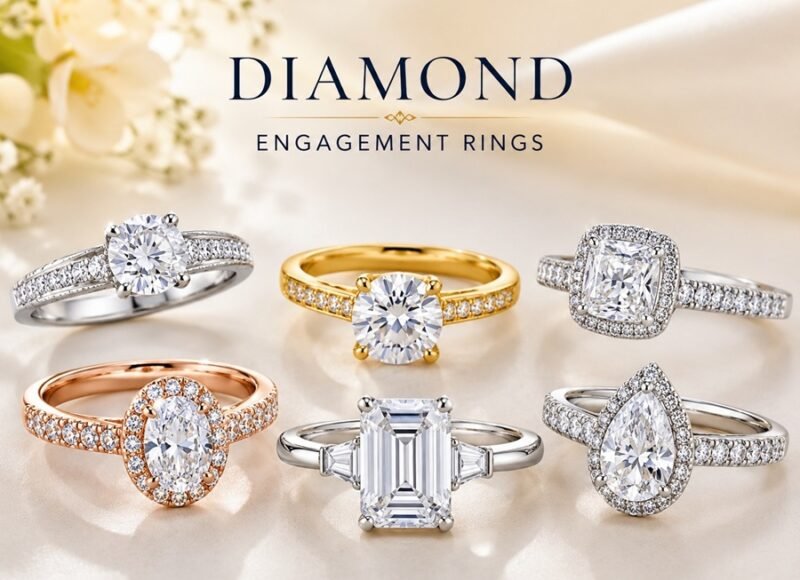
Oval and cushion cuts have emerged as serious contenders, now representing nearly 25% of engagement ring sales. The oval cut, with its elongated shape, offers a flattering appearance that can make the diamond appear larger than its carat weight suggests. This isn’t merely aesthetic—it’s practical mathematics. A one-carat oval diamond often appears comparable in size to a 1.2-carat round diamond, making it an economical choice without compromise on presence.
Cushion cuts have experienced a particular renaissance among younger buyers aged 25-35. This cut combines vintage charm with modern brilliance, featuring rounded corners and larger facets that create a soft, romantic sparkle rather than the sharp fire of brilliant cuts. Instagram and Pinterest’s heavy featuring of vintage-inspired engagement rings has undoubtedly contributed to this trend.
Emerald cuts represent the third major shift. Once considered too understated, they’ve become the signature choice for those prioritizing clarity and authenticity over maximum sparkle. The step-cut facet pattern means inclusions are more visible, which has actually become an asset—buyers appreciate the “windowed” effect that showcases the diamond’s true nature rather than relying on cut brilliance to mask imperfections.
Why This Matters
This diversification reflects a broader cultural movement toward self-expression and authenticity. The homogenization of engagement ring aesthetics is giving way to personal choice, where your diamond’s cut genuinely reflects your values and style rather than conforming to traditional expectations.
Settings: From Solitaires to Sculptural Designs
The setting is where 2026 engagement ring trends show perhaps their most dramatic transformation. No longer is the six-prong solitaire the default choice.
The Solitaire Reimagined
Traditional solitaires haven’t disappeared—they’ve evolved. Modern solitaire settings feature:
- Slim, tapered bands that emphasize the stone rather than the metalwork
- Floating halo designs where micro-diamonds circle the center stone without a protective rim, creating an airy, contemporary look
- Hidden halo settings where diamonds sit beneath the center stone, visible only from certain angles, offering a secret luxury element
The Full-Band Movement
One of the most significant 2026 trends is the deliberate choice to incorporate design elements along the entire band. Rather than reserving embellishment for the setting itself, jewelers are creating bands with:
- Pave diamond lines running parallel to the band’s center
- Textured metalwork that creates visual interest without additional gemstones
- Asymmetrical designs where one side features detail and the other remains clean
This shift suggests buyers are thinking about their ring as a complete object of art rather than seeing the setting as merely a vehicle for the center diamond.
Metal Preferences Have Shifted
For the first time in recent history, white gold and platinum are no longer the overwhelming choice:
- Platinum (historically 45% of the market) has declined to approximately 30% as buyers become cost-conscious
- Yellow and rose gold have collectively climbed to 35% of purchases, with rose gold maintaining strong momentum among millennials and Gen Z
- Two-tone and mixed metals have captured 20% of the market, with combinations like rose gold bands with white gold settings creating sophisticated contrast
The move away from platinum reflects practical realities—yes, platinum is durable, but it’s also significantly more expensive, and buyers are recognizing that well-maintained gold offers excellent longevity at a better value point.
The Broader Style Shifts
Beyond cuts and settings, several philosophical changes are shaping engagement ring choices in 2026.
Sustainability and Ethical Sourcing
The days of not asking questions about a diamond’s origin are largely behind us. In 2026, approximately 45% of engagement ring buyers specifically ask about diamond sourcing and ethical practices. This has driven:
- Increased demand for lab-grown diamonds (now representing 15-20% of the engagement ring market, up from less than 5% five years ago)
- Greater transparency from traditional diamond retailers about conflict-free certification
- The emergence of “reborn” diamonds from estate sales and inherited pieces being reset into new designs
Personalization Over Convention
The “rules” about engagement rings are dissolving. What matters now is alignment with personal values:
- Asymmetrical designs that refuse conventional balance
- Colored diamonds and gemstone centers (fancy colored diamonds now represent 8-10% of high-end purchases)
- Non-traditional shapes including trapezoid side stones and geometric designs
- Mixed gemstones where the center stone might not be a diamond at all
The Antique and Vintage Movement
Simultaneously, there’s a counter-trend toward genuine vintage and antique rings. Rather than new rings designed to look vintage, couples are seeking authentic period pieces—art deco designs from the 1920s-30s and Victorian-era rings from the 1800s. This trend reflects both sustainability concerns and a desire for something with genuine history rather than manufactured nostalgia.
What This Means If You’re Shopping Now
If you’re in the market for an engagement ring in 2026, here’s what the landscape offers:
You have genuine choices. The pressure to select a round solitaire because “that’s what an engagement ring is” has largely dissipated. Your ring can authentically reflect your aesthetic preferences without seeming unconventional.
Budget flexibility is real. By choosing a fancy cut, you can allocate your budget differently. Prefer a larger cushion cut on a simple band? That’s now a completely mainstream choice. Want a smaller diamond with a more elaborate setting? Also entirely acceptable.
Ethical sourcing matters and is accessible. Whether you choose lab-grown diamonds or certified conflict-free stones from traditional mines, you can make an informed decision that aligns with your values without paying a premium.
Your ring doesn’t need to match anyone else’s. The homogenization of engagement ring aesthetics is genuinely over. Personal expression through ring design is not only accepted—it’s celebrated.
The Bottom Line
Diamond engagement rings in 2026 reflect a broader cultural shift toward individuality, authenticity, and personal values. Whether you’re drawn to the understated elegance of an emerald cut, the romantic softness of a cushion cut, or the timeless sparkle of a brilliant round diamond, the ring you choose should feel like an expression of who you are.
The “right” engagement ring isn’t determined by tradition or convention anymore—it’s determined by what speaks to you. And that might be the most significant trend of all.
